
What I Offer
I provide comprehensive, face-to-face diagnostic dyslexia assessments to explore patterns of strengths and difficulties in literacy and related areas of learning.
The assessment process is thorough, supportive and clearly explained at every stage. Following the assessment, clients receive a detailed written report containing practical recommendations tailored to their individual needs.
Who It's For
Children, young people and adults living in Sheffield, the Hope Valley and the wider Peak District area who are experiencing difficulties with aspects of learning, including reading, reading comprehension, written expression and spelling.
A diagnostic assessment may be appropriate for those seeking greater understanding of their learning profile, recommendations for support, and/or formal documentation of their difficulties.
The Outcome
The outcome of the assessment is based on the evidence gathered during the assessment process and professional judgement in accordance with guidance from the SpLD Assessment Standards Committee (SASC).
While some individuals seek a diagnosis of dyslexia, this cannot be guaranteed. The purpose of the assessment is to develop a clear understanding of an individual's strengths and areas of difficulty, identify whether dyslexia is present, and provide recommendations to support future progress and achievement.
What to Expect
The assessment process typically includes:
A discussion of background information, educational history and current concerns
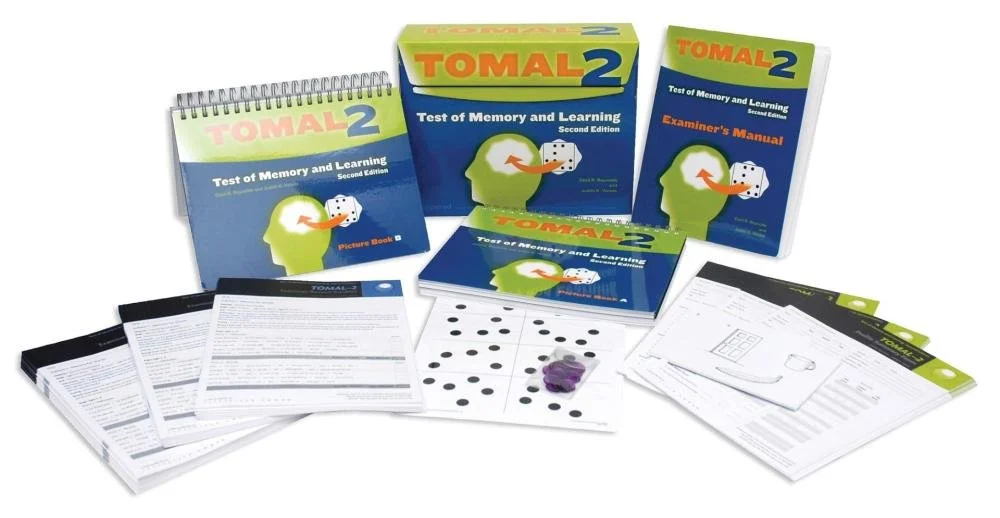
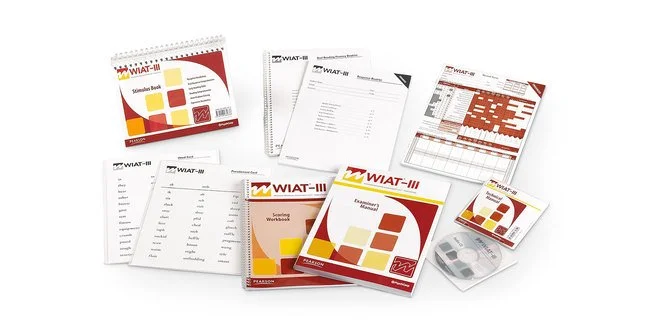
A range of standardised assessment activities
A clear explanation of the assessment findings
A comprehensive written report with personalised recommendations
An online follow-up meeting to discuss the report, answer any questions and consider the next steps
The aim is to provide clarity, understanding and practical guidance for the future.
What's Included
The assessment fee includes:
A face-to-face diagnostic assessment using a range of standardised and informal assessment activities. This typically lasts around 3 hours, depending upon breaks.
Collection of relevant background information from the client and, where appropriate, from parents, schools or colleges
A detailed written report outlining strengths, areas of difficulty and personalised recommendations
Recommendations for further support or referral, where appropriate
A follow-up discussion by telephone or video call to talk through the report and answer any questions
Before the Assessment
To ensure the assessment accurately reflects visual processing and literacy skills, clients should have had an eye examination within the previous two years and wear any prescribed glasses or visual aids during the assessment.
Cost
The fee for a comprehensive diagnostic dyslexia assessment is £450. Payment is requested within two weeks of receiving the completed report.
.
Frequently Asked Questions (FAQs)
What happens during the assessment?
The assessment includes a discussion of background, a range of standardised tasks, and professional observation. It is designed to explore how the client processes information and approaches learning alongside literacy attainment.
How long does the assessment take?
The assessment typically takes three hours depending on breaks. The process can feel quite intense so breaks can be taken as needed. Assessments are completed in one session but could be completed in more, depending on individual need.
Will the client definitely receive a diagnosis of dyslexia?
In short, no.
The purpose of the assessment is to explore patterns of strengths and difficulties. While many people seek clarity about dyslexia, a diagnosis cannot be guaranteed. The outcome is based on the evidence gathered and professional judgement.
What will be provided?
The client will receive a detailed written report outlining the findings of the assessment and providing practical recommendations for support. An opportunity to discuss the report is offered on request.
Can the report be used for Disabled Students’ Allowance (DSA)?
In many cases, the report can be used as supporting evidence when applying for DSA and when requesting reasonable adjustments. However, eligibility and decisions about support are made by the relevant student finance authority.
Can the report be used as evidence for exam access arrangements?
The Joint Council for Qualifications (JCQ) oversee the awarding of access arrangements and they say that, “A privately commissioned assessment, where the centre has not been involved, cannot be used to award access arrangements.” This means that unless the client’s school/college have supported and contributed to the process, the report cannot be used as evidence in its own right.
Is the assessment confidential?
Yes. All information is treated as confidential (except where there is a legal duty to share information for safeguarding purposes) and handled in accordance with data protection law. Peak Assessment is registered with the Information Commissioner’s Office (ICO) and a Privacy Policy is available on request.
What if the assessment suggests other reasons for the reported difficulties?
In some cases, the findings may indicate that further assessment would be helpful (for example, a neurodevelopmental assessment). Whilst recommendations are made in the client’s best interests and are included on the report, follow-up is optional. Recommendations do not constitute a diagnosis.
Services
Filters
No results found
No results match your search. Try removing a few filters.